
No matter the vehicle, you should never exceed the maximum pressure. For smaller cars, this will be about 35 PSI. Average cars can handle a bit more than that – up to 40 PSI. You will have lower traction while driving if you go over this number. Expect a bumpy ride too. And in the worst-case scenario, your Goodyear tire might even blow out.
Fortunately, the solution is quite intuitive. Let some air out if you suspect you have this problem. Just make sure you tested the pressure while the wheels were cold. Otherwise, you might accidentally underinflate your tires.
Recommendations for trucks
Because they have to bear greater weight, trucks often need more air in their tires. On average, this is about 55 PSI. In the case of heavy-duty vehicles, it can go up to 75 PSI. As always, check the recommended value in your manual.
Dangers of underinflation
Insufficient air will cause the rubber to sag and droop at the sides. As a result, your traction will increase. Although this is useful in car races, it will do you more harm than good if you’re a regular driver.
As your traction increases, your mileage does the opposite. Expect frequent stops at the gas station. The rubber will also wear down faster at the edges, so you’ll have to replace your tires more often.
But perhaps the most dangerous phenomenon associated with underinflated tires is hydroplaning. Since the rubber sags, it’s much easier for water to get under it. When it happens, the water will severely reduce your overall traction.
Many drivers get into accidents because of this. To ensure your safety, always inflate them properly. If improperly inflated, they’ll also affect the fuel economy and could ultimately lead to tire failure.
Risks of overinflation
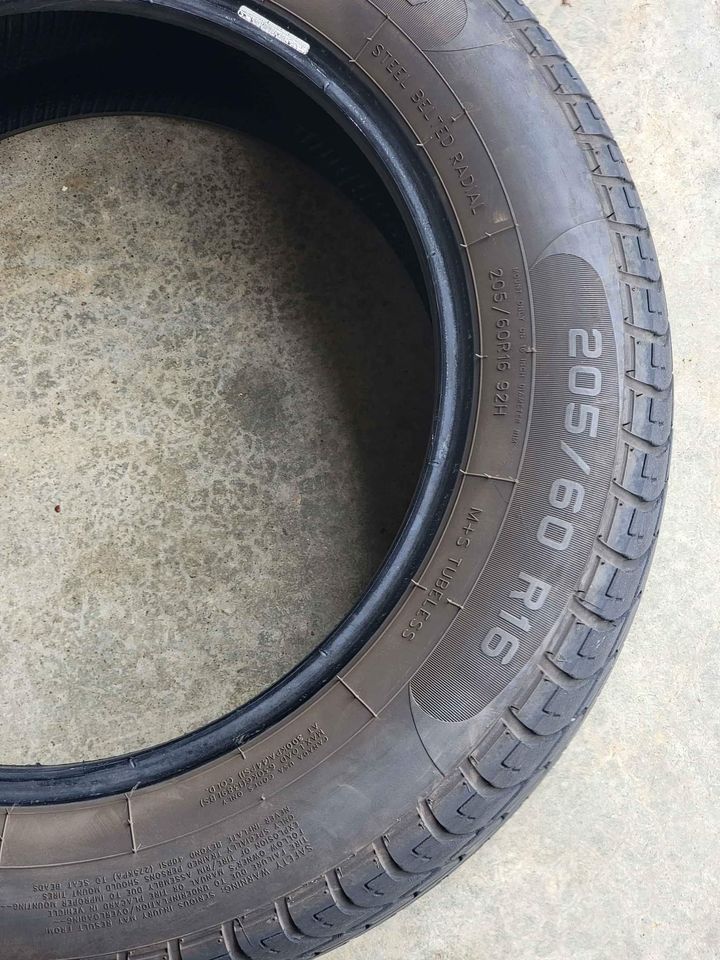
While not as bothersome as underinflated tires, overinflating them is not ideal either. As the rubber expands, the contact patch between your wheels and the ground decreases. Thus, they will only touch the road in the center.
The friction will be more pronounced in this area, so your Goodyears won’t last as long as they should. You might also experience difficulty controlling your vehicle. The poor traction will hinder your ability to brake properly.
But the issues don’t end there. Normally, rubber is a very flexible material. If you drive over a bump, it can absorb some of the shocks. Well, you can kiss flexibility goodbye if you overinflate your tires. We wouldn’t be surprised if the bumps knocked out your teeth.
Have you made sure that you’re not
- Paying for extra gas
- Wearing down the rubber faster
- Avoiding hydroplaning
- Avoiding unnecessary wear
- And other things by having the right pressure?
Conclusion
All told, maintaining a proper amount of air in your tires is essential for every car owner. By doing so, you can prevent frequent visits to the mechanic. Moreover, you make your vehicle safe to drive.
Although the recommended PSI varies from model to model, it’s seldom higher than 40. You should inspect your pressure at least once per month. The process is simple, and the gadgets meant for the job are cheap.


